
We all know that the sun can be both good and bad for our skin. But what exactly makes UVA and UVB rays different? And why is it important to protect yourself from both? Let's find out together.
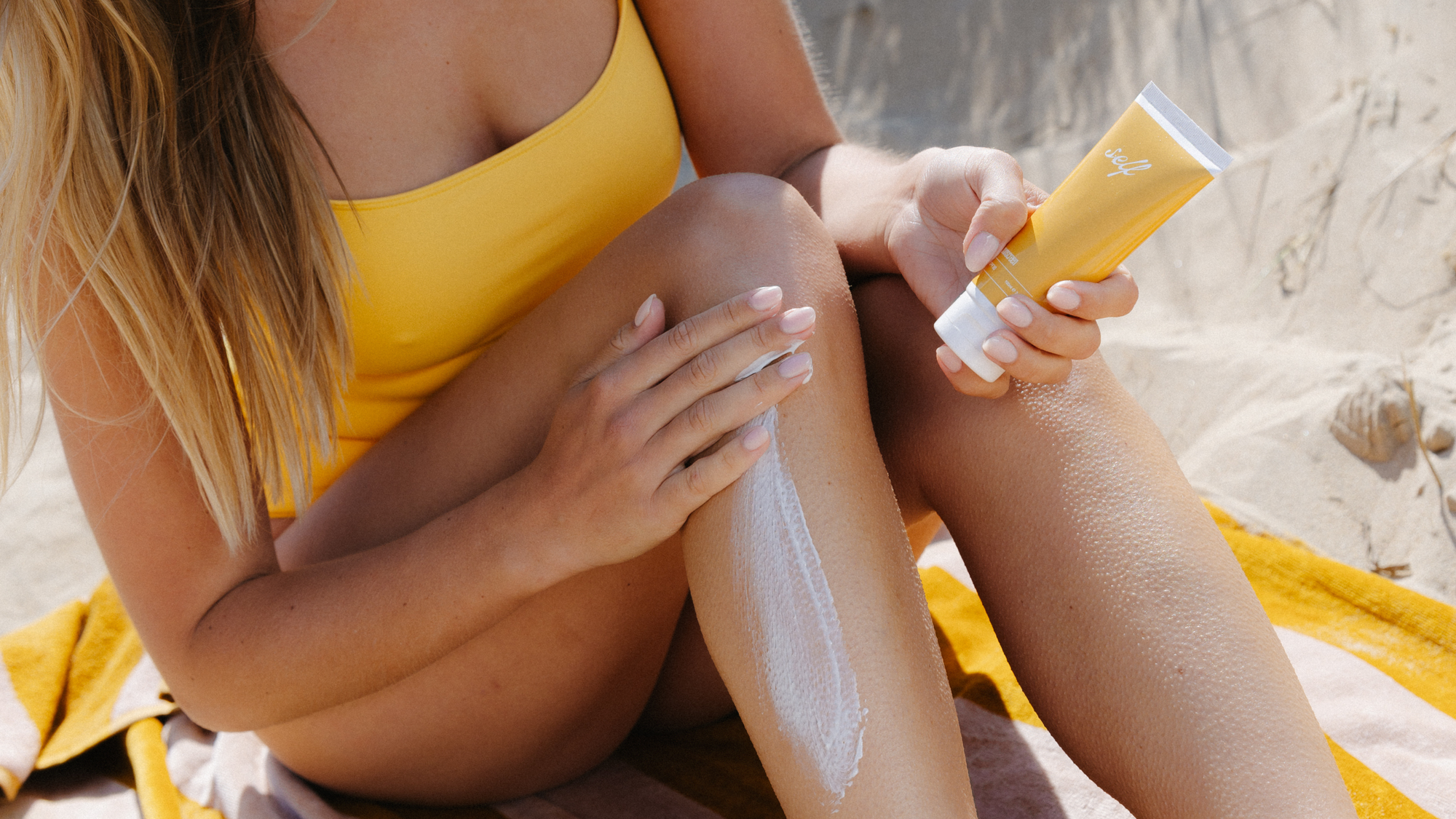
UVA & UVB: What's the difference and why is protection against both essential?
The silent ageing vs. the visible burners
UVA rays | These make up approximately 95% of the UV radiation that reaches Earth. They have a longer wavelength, allowing them to penetrate deeper into the skin, down to the dermis. Here, they can damage collagen and elastin, leading to premature skin aging, such as wrinkles and age spots. Furthermore, UVA rays can penetrate glass and clouds, meaning you can be exposed to these rays even indoors or on cloudy days.
UVB rays | These make up only 5% of the UV radiation that reaches Earth, but they are more powerful and responsible for sunburn. They have a shorter wavelength and penetrate less deeply into the skin, primarily into the epidermis. UVB rays are strongest during the summer months and at higher altitudes. They are largely blocked by glass but can be reflected by surfaces such as water, sand, and snow.
Why protect against both?
Both UVA and UVB rays can cause DNA damage and increase the risk of skin cancer. Therefore, it's essential to use a sunscreen that protects against both types of radiation.
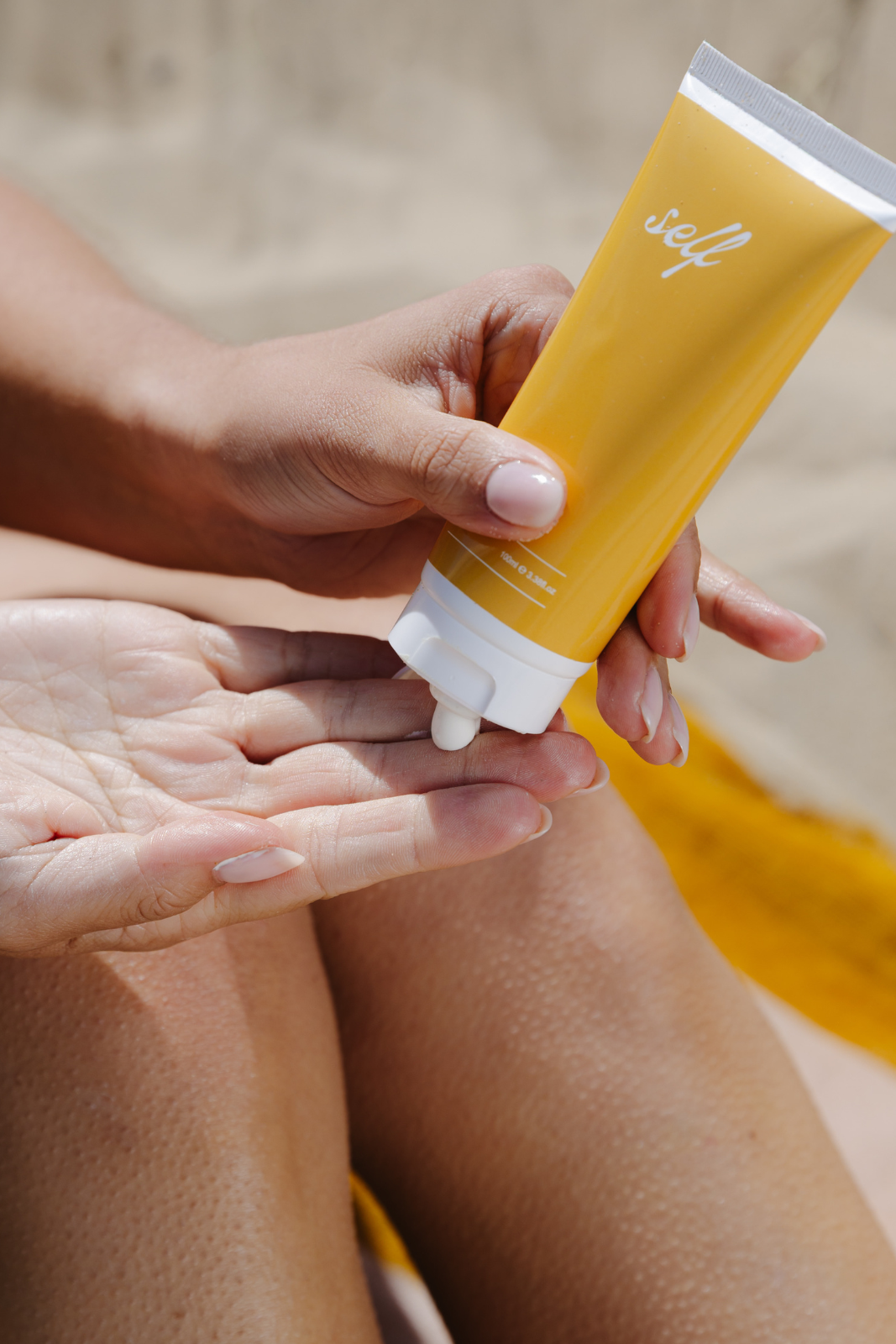
Tips for optimal protection
TIP 1 | Apply a broad-spectrum sunscreen every morning, even on cloudy days or when staying indoors.
TIP 2 | Reapply every two hours, especially after swimming, sweating, or towel-drying.
TIP 3 | Use a sunscreen with at least SPF 30 for effective protection against UVB rays.
TIP 4 | Wear protective clothing, a hat, and sunglasses, and seek shade during peak sun hours.
By being aware of the differences between UVA and UVB rays and taking the right protection measures, you can enjoy the sun while keeping your skin healthy.